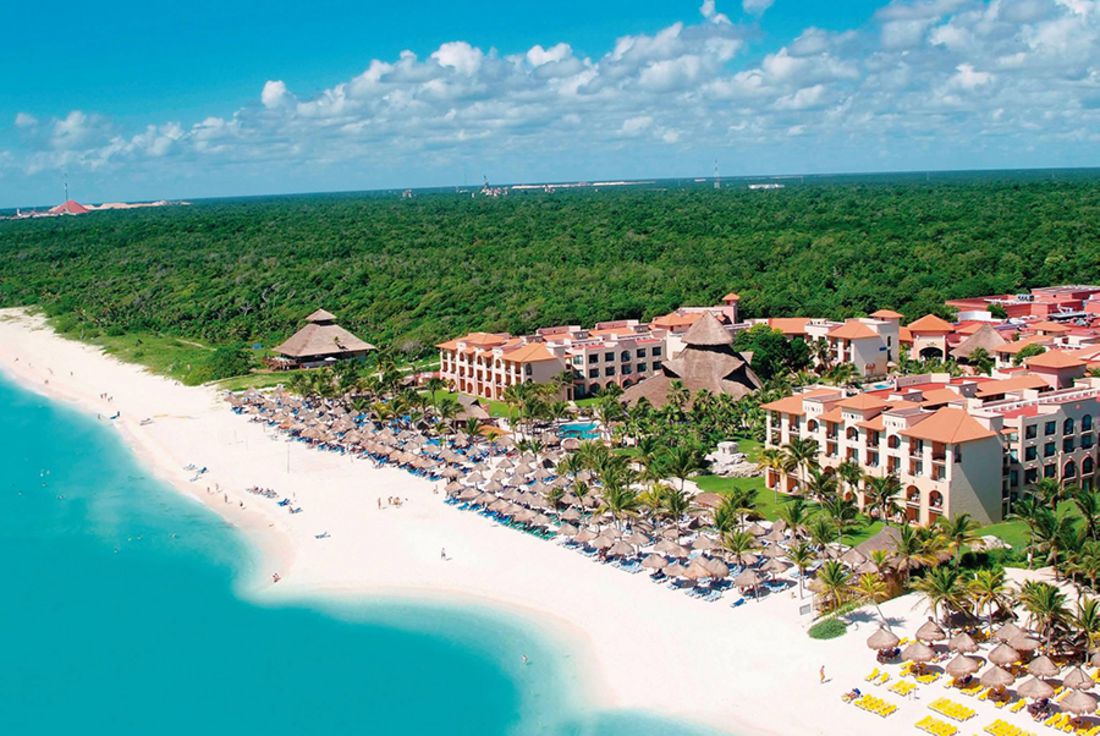

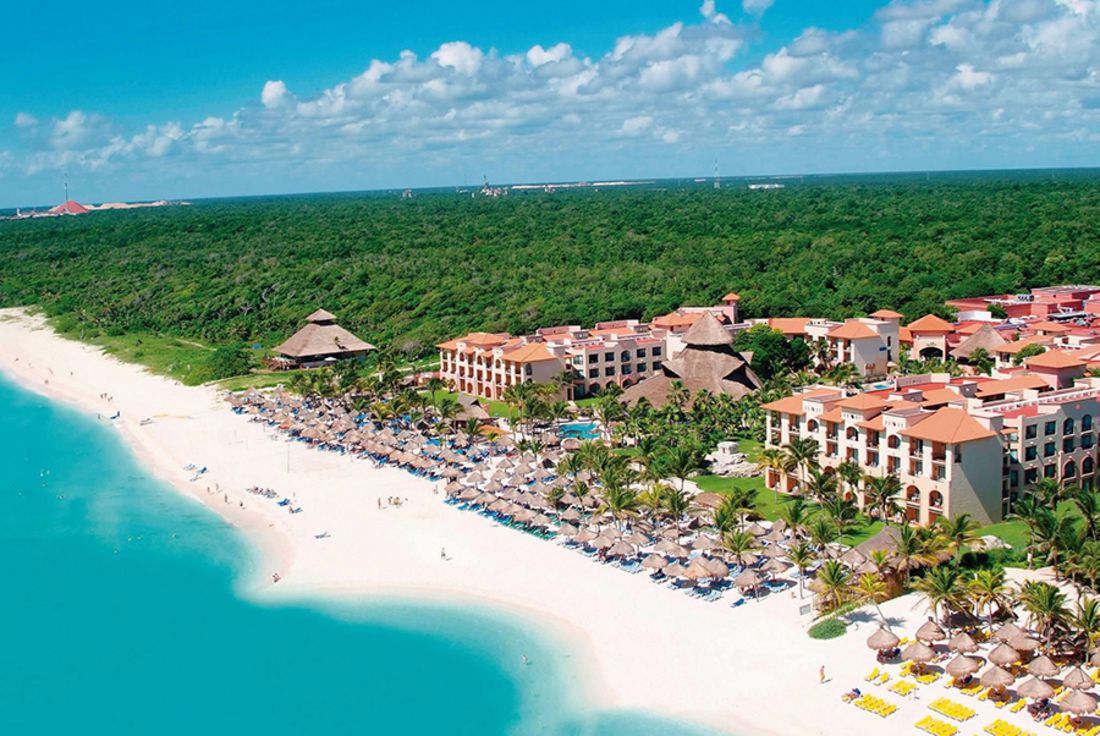

If you’ve ever dreamed of owning a property in Mexico — maybe a quiet beach home, a stylish apartment in a colonial town, or a long-term investment in an up-and-coming city — you’re not alone. Interest in real estate across Mexico is growing fast, not only from Mexican nationals, but also from international buyers, retirees, and investors who see the country as a place of opportunity, beauty, and long-term value.
But with so many regions offering something unique, the big question becomes: Where is it really worth investing?
Let’s break it down in a way that’s practical, honest, and rooted in what’s actually happening across the country today.
1. Mid-Sized Cities on the Rise

Not every smart investment is by the beach. In fact, many of the most promising opportunities are in mid-sized cities that are becoming industrial, tech, or cultural hubs.
Querétaro
Often called the “Silicon Valley of Mexico,” Querétaro has seen major growth in aerospace, manufacturing, and IT. The city is clean, well-planned, and has a growing upper-middle-class population. Housing demand is strong — especially in modern gated communities and vertical developments.
Why invest here?
-
One of Mexico’s fastest-growing economies
-
Strong rental market for professionals and expats
-
High safety and quality of life
Puebla
Just two hours from Mexico City, Puebla has grown steadily thanks to a mix of manufacturing, tourism, and academia. With a vibrant historic center and modern suburbs, it’s attractive to both investors and families.
Monterrey
A long-standing industrial giant, Monterrey continues to grow, especially with the rise of nearshoring (foreign companies relocating operations to Mexico). Housing near tech parks and industrial zones is in high demand.
According to Mexico’s National Housing Commission (CONAVI), mid-sized cities like Querétaro and Puebla consistently show above-average growth in residential construction and housing prices.
2. Lifestyle Towns with Growing Demand

There’s a growing trend among retirees, remote workers, and digital nomads: choosing smaller cities that offer natural beauty, culture, and slower living.
San Miguel de Allende
This UNESCO World Heritage Site in Guanajuato is world-famous for its art scene, beautiful architecture, and expat-friendly atmosphere. Prices are higher here, but rental demand — especially for vacation stays and seasonal living — remains strong.
Valle de Bravo
A lake town west of Mexico City, Valle de Bravo is gaining popularity for luxury cabins, boutique developments, and nature-inspired living. With limited land, prices are climbing fast.
Tulum
Yes, it’s already well-known, but certain pockets of Tulum are still affordable compared to Playa del Carmen or Cancún. Plus, the new Tulum International Airport and Maya Train project are expected to further boost accessibility and tourism.
3. Coastal Real Estate: Mexico’s Hidden Goldmine

Here’s where things get especially interesting. Mexico has over 9,000 kilometers (5,500+ miles) of coastline, but much of it remains underdeveloped and undervalued — at least for now.
The real estate opportunities in coastal regions are often tied to:
-
New infrastructure (airports, highways, ports)
-
Emerging tourism projects
-
Demand from both national and international retirees
-
Short-term rental income potential
Let’s take a closer look at a few standout locations:
Puerto Peñasco (Sonora)
Also known as “Rocky Point,” this beach town is just a 4-hour drive from Phoenix, Arizona. Its proximity to the U.S. border has made it a favorite among American retirees and weekend travelers. Local and state governments are actively promoting development, including port expansion and new road access.
Why it matters:
-
You can still find beachfront condos for under $200,000 USD
-
Strong demand for vacation rentals
-
Government-backed tourism growth
Caborca (Sonora)
Still under the radar, Caborca is gaining interest for its coastal proximity and natural reserves. Land here is significantly cheaper than in more developed coastal cities, offering a chance to buy early in a market with long-term potential.
Mazatlán (Sinaloa)
Mazatlán is undergoing a quiet renaissance. With a revitalized historic district, new luxury towers, and improved air connectivity, this classic destination is attracting a new generation of investors.
La Paz (Baja California Sur)
Known for its calm beaches and laid-back lifestyle, La Paz offers a more relaxed alternative to Cabo. Property prices are still reasonable, and demand is rising among retirees and remote workers looking for a peaceful yet connected coastal experience.

How to Decide Where to Invest
When evaluating a location, don’t just look at today’s prices. Ask yourself:
-
Is there government investment in infrastructure?
-
Are there early signs of tourism or expat growth?
-
How accessible is the area (airports, highways)?
-
Is there still land or housing inventory available at fair prices?
-
What are the rental and resale projections?
A smart real estate investment is rarely about buying in the most famous place — it’s about buying in the right place, at the right time.
Peñasco Capital: Your Strategic Partner for Vision-Driven Investments
At Peñasco Capital, we have the insights, the network, and the experience to identify the regions with the greatest real estate growth potential.
We believe in the power of betting on future-forward regions, especially along the northern coastlines of Mexico, where smart investment leads to real opportunities.
Ready to invest where the future is already happening?
Let’s talk about how we can help you grow your wealth with vision.